
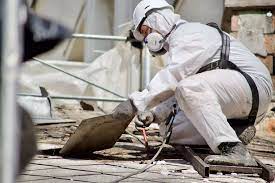
Asbestos remains a critical concern for property owners, contractors, and facility managers dealing with older buildings. Once commonly used in construction for insulation, fireproofing, and strength, asbestos is now known for its severe health hazards. To reduce the risk of exposure and meet legal safety standards, trusted asbestos survey options are essential for building compliance. Choosing the right type of survey ensures both safety and adherence to regulations.
Understanding the Need for Asbestos Surveys
Buildings constructed or refurbished before 2000 may still contain asbestos in various forms. These materials may remain hidden in pipe lagging, floor tiles, ceiling panels, cement sheets, or wall insulation. If disturbed during maintenance, refurbishment, or demolition, asbestos fibers can be released into the air and inhaled—posing serious health risks.
To avoid such hazards, regulations require a structured approach to identifying and managing asbestos-containing materials (ACMs). Surveys are the first step in ensuring that buildings are safe for occupation and use, and that any future works are carried out responsibly.
Types of Trusted Asbestos Survey Options
There are two main types of asbestos surveys used for building compliance: the Management Survey and the Refurbishment and Demolition Survey. Each serves a specific purpose and is carried out according to the condition and intended use of the building.
A Management Survey is typically used in buildings that remain occupied or are in regular use. Its goal is to locate ACMs that may be damaged or disturbed during normal activities or routine maintenance. This survey helps duty holders develop a management plan to monitor and control asbestos risks over time.
The Refurbishment and Demolition Survey is more intrusive and is carried out before major construction works. It identifies ACMs that could be disrupted during renovations or demolition, allowing for their safe removal before work begins. This survey is legally required before any such project on a structure built before the asbestos ban.
Choosing Qualified Professionals
Not all asbestos surveys are equal in quality or reliability. Choosing a trusted, accredited asbestos survey provider is critical to ensure thorough, accurate results. Certified surveyors follow approved methods for identifying ACMs, collecting samples, and generating detailed reports. These reports are not only useful for safety planning but also fulfill regulatory requirements for documentation.
Trusted providers will assess your building’s specific needs and recommend the appropriate survey type. They will also explain the risks, necessary follow-up actions, and timelines for safe asbestos management or removal if needed.
Benefits of Compliance Through Professional Surveys
Investing in a professional asbestos survey ensures compliance with local health and safety laws. It demonstrates a proactive approach to managing risk, particularly important for businesses, landlords, and institutions responsible for public safety. In addition, proper documentation from a trusted provider may be essential when leasing, selling, or redeveloping a property.
Failure to conduct a required survey can lead to legal penalties, halted projects, and increased exposure risks. A well-executed survey helps prevent such setbacks, ensuring a smooth, compliant process for property maintenance or redevelopment.
Conclusion
Trusted asbestos survey options are a cornerstone of safe, compliant building management. Whether maintaining an older facility or preparing for a renovation, selecting the right type of survey and working with qualified professionals ensures you meet safety standards and protect occupants from hidden dangers. By acting early and responsibly, you can avoid costly delays and maintain confidence in the safety of your property.


