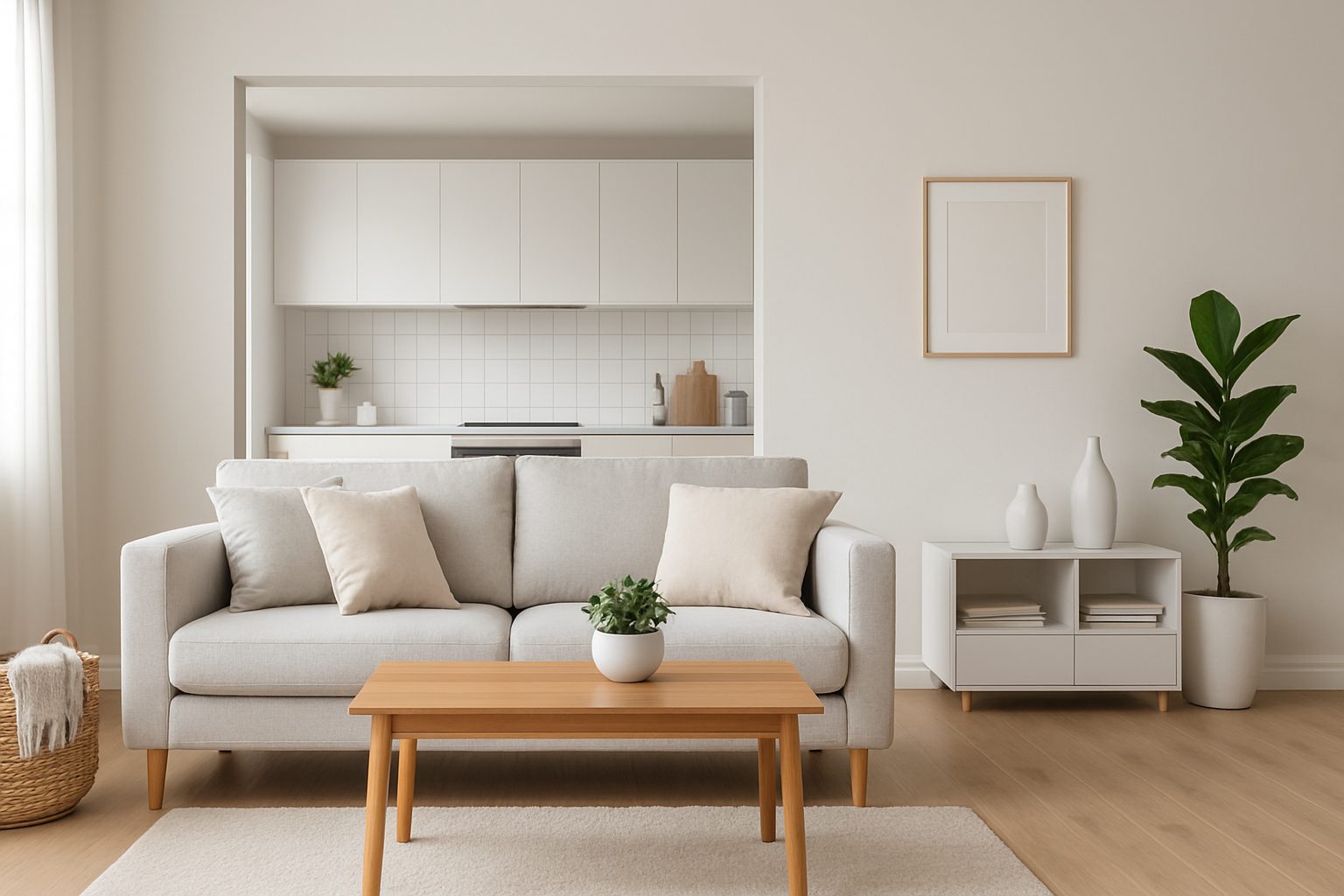
Maintaining a fresh and organized home requires consistent effort, effective cleaning methods, and a realistic household routine. Between professional responsibilities, family commitments, and personal activities, finding enough time for every cleaning task can be difficult. Professional house cleaners help simplify these responsibilities by providing structured cleaning support tailored to a household’s needs. From removing everyday dust to maintaining kitchens, bathrooms, and frequently used living areas, professional cleaning can improve the appearance, comfort, and organization of a home.
As modern lifestyles become increasingly demanding, households are looking for practical ways to maintain clean surroundings without sacrificing valuable personal time. Understanding the benefits of professional cleaning, the importance of consistent maintenance, and the role of effective cleaning practices can help homeowners make informed decisions.
The Growing Importance of a Clean and Organized Home
A clean home contributes to a comfortable living environment and makes everyday activities easier. Dusty surfaces, overflowing waste bins, cluttered countertops, and neglected floors can gradually make a property feel less organized. Regular maintenance helps prevent these problems from becoming overwhelming.
Household cleaning also involves more than visible tidiness. Kitchens require careful attention to food preparation surfaces, bathrooms need regular sanitation, and frequently touched objects benefit from appropriate cleaning. Bedrooms and living rooms require dust management and routine care to remain pleasant and functional.
Government time-use research, including data published by the American Time Use Survey, tracks how people spend time on household activities such as cleaning and maintenance. These activities compete with employment, childcare, education, and leisure. Although the time required varies by household, the findings highlight why efficient cleaning routines can be valuable for busy families.
How Professional Cleaning Improves Household Efficiency
Professional cleaning follows a planned approach that helps ensure important tasks receive appropriate attention. Rather than cleaning randomly, a structured process typically prioritizes high-use areas, visible dirt, and surfaces that require regular maintenance.
For example, a routine appointment may include dusting furniture, vacuuming carpets, mopping floors, cleaning bathroom fixtures, and wiping kitchen surfaces. Additional tasks can be arranged according to the property’s condition and the homeowner’s preferences.
This approach offers several practical advantages:
- Better time management: Homeowners can dedicate more time to work, family, and personal responsibilities.
- Consistent maintenance: Scheduled visits help prevent everyday dirt from accumulating excessively.
- Organized living spaces: Regular attention to shared areas supports a more orderly home.
- Customized cleaning plans: Tasks can be adapted to room usage, household size, and individual priorities.
- Reduced cleaning stress: A predictable schedule makes household maintenance easier to manage.
The overall value depends on the quality of the work, the service arrangement, and how closely the cleaning plan matches the household’s needs.
Statistics and Research Behind Effective Cleaning Habits
Research-based information provides useful context for understanding household cleanliness. However, statistics should be interpreted carefully because results depend on the population studied, the measurement method, and the environmental conditions involved.
Several evidence-informed principles explain why consistent cleaning matters.
1. Indoor dust requires regular management. Household dust can contain fibers, soil, pollen, and other particles carried indoors. Routine dusting and vacuuming help reduce visible accumulation. Their effectiveness depends on equipment quality, cleaning technique, and the materials present in the home.
2. High-touch surfaces deserve attention. Door handles, light switches, taps, appliance controls, and frequently used tables can collect dirt through everyday contact. Cleaning these surfaces according to their use helps maintain hygienic surroundings.
3. Moisture management supports a healthier environment. Bathrooms, kitchens, and laundry spaces often experience humidity. Promptly addressing leaks, drying wet areas, and maintaining suitable ventilation can help reduce conditions that encourage mold growth.
4. Regular maintenance limits excessive buildup. Cleaning smaller areas consistently can make household tasks more manageable than allowing dirt and clutter to accumulate over extended periods.
These principles are practical guidelines rather than universal numerical claims. Reliable statistical reporting should identify the original source, publication date, and specific findings rather than relying on unsupported percentages.
Customized Cleaning Plans for Different Households
Every home has unique requirements. A family with children may need frequent attention to floors, dining areas, and shared spaces. Homes with pets may require additional vacuuming and removal of visible hair. Smaller apartments may need fewer hours of cleaning, while larger properties can require more detailed scheduling.
Professional cleaning plans can accommodate these differences by establishing priorities for individual rooms.
Daily household activities may include washing dishes, wiping spills, and returning items to their designated places. Weekly maintenance can cover vacuuming, bathroom cleaning, and floor care. Monthly or seasonal tasks may include detailed fixture cleaning, accessible window washing, and cleaning behind movable furniture.
A customized plan should also consider delicate surfaces, product sensitivities, and any areas that require special instructions. Clear communication before an appointment helps ensure that the work aligns with expectations.
Choosing Appropriate Products and Equipment
Cleaning effectiveness depends partly on using the right equipment and products for each surface. Microfiber cloths can help collect dust, suitable vacuum cleaners can remove debris from floors and upholstery, and surface-specific products can address common household residue.
Homeowners should also consider safe product handling. Cleaning solutions must be used according to label directions, and rooms should be ventilated appropriately when products produce irritating fumes. Different cleaning chemicals should never be mixed unless their instructions explicitly confirm that the combination is safe.
For households with children, pets, allergies, or sensitivities, discussing product preferences in advance can help establish a more suitable cleaning plan.
Responsible cleaning also involves avoiding unnecessary product use, choosing reusable materials where practical, and following appropriate disposal instructions.
Understanding Costs and Long-Term Value
The price of professional cleaning depends on several variables, including property size, location, service frequency, cleaning intensity, and the number of requested tasks. A routine maintenance visit may differ considerably in scope from a deep-cleaning appointment or a move-in cleaning.
Before confirming an arrangement, homeowners should request a clear estimate and review what it includes. Important details include the rooms covered, supply costs, additional-task charges, appointment duration, and cancellation policies.
Conclusion
Maintaining a fresh and organized home becomes easier when cleaning is approached as a consistent, planned activity. Professional support can help households manage routine tasks, maintain frequently used spaces, and make better use of their time. By selecting appropriate cleaning methods, establishing realistic schedules, and communicating household priorities clearly, homeowners can create a practical maintenance strategy that supports comfort and organization. The best approach is one that fits the household’s lifestyle, delivers dependable results, and remains manageable over the long term.
Key Points
- Maintaining a clean and organized home requires a consistent effort and realistic household routine.
- Professional house cleaners provide structured support tailored to specific household cleaning needs.
- Regular maintenance and professional cleaning can improve the appearance, comfort, and organization of a home.
- Efficient cleaning routines are particularly valuable for busy families managing competing responsibilities.
- High-touch surfaces and areas prone to moisture should receive special attention to maintain hygienic conditions.